Pillows serve as a fundamental component of sleep comfort, providing support for the head, neck, and alignment of the spine. In this category, materials range from breathable cotton and natural fills to memory foam variants, each offering distinct levels of firmness, loft, and pressure relief. Understanding pillow construction helps identify the right balance between softness and support for individual sleeping positions.
Key features to consider include fill type, cover fabric, loft height, and fill resistance. Natural cotton covers promote airflow, while hypoallergenic fills reduce irritants for sensitive users. Medium to high loft pillows suit back and side sleepers, whereas lower loft options work well for stomach sleepers, supporting neutral head alignment and reducing strain over prolonged use.
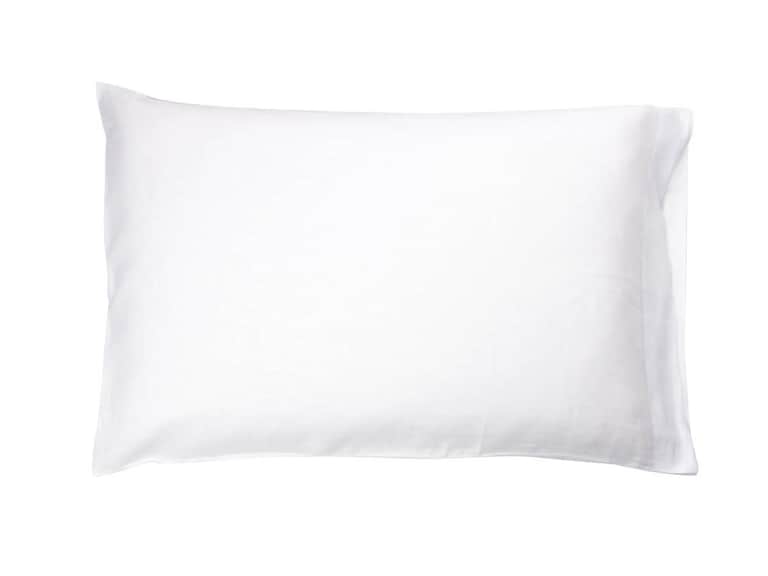
The Classics Geneva Pillow-case exemplifies pillow accessories designed to extend comfort and hygiene. Its fabric choice, weave, and finishing influence softness, durability, and ease of care. Such pillow cases can enhance breathability, reduce friction on pillow surfaces, and help preserve fill integrity, contributing to a longer-lasting sleeping setup without compromising comfort.
Functional benefits of well-chosen pillows include improved spinal alignment, reduced neck stiffness, and better morning wakefulness. Properly paired with appropriate pillow covers, pillows can minimize overnight heat buildup and ease pressure points. Educational considerations also include care guidelines, such as washing frequencies and drying methods, to maintain fill integrity and fabric performance.
In this category, the focus lies on understanding how pillow design intersects with sleep ergonomics and material science. Recognizing the relationship between loft, support level, and individual sleep position supports informed selection. Related considerations extend to bedding materials, linens, and table textiles that influence overall sleep surface experience and daily comfort.
 Bedding