Linen Sustainability Essentials: How to Care for Linen and Minimize Environmental Impact
A Time-style, editorial exploration of eco-friendly linen care, standards like GOTS and OEKO-TEX, and practical routines that households can adopt to reduce water and energy use while extending fabric life.
By prioritizing responsible textile practices, readers connect everyday laundry routines to broader sustainability goals—without resorting to product-heavy promotion. This guide aligns with Green Linen Service's identity as an educational resource on green laundering and textile care.
Why Linen Sustainability Matters
Linen is a textile with a storied past and a resilient present. Derived from the flax plant, linen fibers require relatively little water to cultivate compared with many other natural fibers. When properly managed, linen can offer durability, breathability, and a cooler sleep surface that reduces indoor climate strain. In a time when households seek to shrink their ecological footprints, linen's properties translate into tangible conservation benefits.
This article foregrounds three pillars: 1) the environmental footprint of linen production, 2) the role of certifications such as GOTS and OEKO-TEX in signaling responsible practices, and 3) practical care routines that minimize water and energy use while extending the life of linen textiles.
Standards that Guide Responsible Textile Production
Certifications function as signposts for consumers seeking trustworthy, non-toxic textiles. The two most relevant labels for linen care and textiles are GOTS (Global Organic Textile Standard) and OEKO-TEX Standard 100. Each carries distinct criteria:
- GOTS: Focuses on organic fiber content, environmentally friendly dyeing processes, waste-water management, and fair labor practices. A GOTS-certified linen product promises a traceable supply chain from flax fields to finished fabric and assures the absence of highly hazardous substances.
- OEKO-TEX: Tests finished textiles for chemical safety. The OEKO-TEX label helps consumers avoid substances that pose health risks, complementing GOTS by emphasizing consumer safety at the textile level.
Beyond these, other credible certifications, such as the Belgian Linen label for certain Belgian-sourced linen, offer quality assurances rooted in regional textile traditions and rigorous standards.
Practical Linen Care: Three Core Topics
1) Sustainable Washing Routines
Conserving water and energy starts with how you wash. Linen's natural properties—breathability, moisture-wicking, and a robust fiber structure—allow for lower temperatures and shorter cycles in many cases. Consider:
- Wash linen at 30°C to 40°C (86°F to 104°F) when possible; warmer cycles only for heavily soiled items.
- Line drying or air-drying in combination with a tumble-dry cycle on a low setting can dramatically reduce energy use.
- Full loads are efficient; avoid partial loads that waste water and energy per item washed.
2) Non-Toxic Detergents and Rinse Practices
Detergents matter for both skin health and waterways. Choose unscented, plant-based or fragrance-free formulations with low-foam and biodegradable formulas when available. Consider:
- Use the minimum effective amount of detergent; excess soap leads to longer rinse cycles and more water usage.
- Rinse twice only if necessary; for most linen items, a thorough initial rinse plus a final cold rinse suffices.
- Avoid chlorine bleach and harsh whiteners that can degrade natural fibers over time.
3) Drying, Storage, and Stain Management
Proper drying is essential to maintain the longevity and shape of linen textiles. Consider:
- Whenever possible, line dry to preserve fiber integrity and reduce heat exposure from dryers.
- Shake and smooth linen before air drying to minimize wrinkling and reduce ironing needs.
- Store linen in a cool, dry environment away from direct sunlight to prevent yellowing and fiber fatigue.
Stain Management for Linen
Stains are best addressed promptly with gentle techniques that respect fibers and prevent long-term set-in effects:
- Treat stains with a mild, dye-safe solution and rinse promptly; avoid soaking for prolonged periods that can weaken fibers.
- For organic stains, such as coffee or wine, blot and pre-treat with a small amount of plant-based detergent, then launder as usual at appropriate temperatures.
Case Studies: Linen Care in Homes and Small Spaces
In the spirit of editorial storytelling, consider three figures and their approaches to linen sustainability across different eras. These profiles illustrate how principles endure even as technologies and lifestyles shift.
Ada Lovelace (19th Century) – The Method in the Machine of Linen
Pioneer of computation, Ada’s era was defined by meticulous craft and careful resource use. Her ethic of precision translates to textiles as a respect for materials and processes—an early precursor to sustainability-minded practices in textile care.
Her example reminds us that thoughtful planning and disciplined routines—like treating linen fibers gently and washing only when necessary—can reduce waste and extend life, echoing a methodological approach to modern eco-laundering.
Elinor Ostrom (20th Century) – Governing Common Resources
Nobel laureate Ostrom highlighted how shared resources can be stewarded effectively through local governance and community norms. Applied to linen, this means households and small communities can collaboratively establish best-practice laundering routines that minimize water and energy use.
A communal ethic—sharing knowledge about eco-friendly detergents, collective repair, and exchange of textiles—enhances durability and reduces environmental impact.
Zandra Rhodes (Mid-20th Century) – Color, Texture, and Longevity
A designer who celebrated textiles as living surfaces, Rhodes reminds us that texture and care choices influence longevity. Linen’s natural texture improves with washing, especially when care routines respect the fiber’s needs, aligning aesthetics with sustainability.
In practice, this translates to choosing linen textiles that age gracefully and require modest interventions—keeping fabrics out of landfills while preserving beauty and function.
A Practical Wardrobe of Linen: A Representative Product to Practice With
The following item, drawn from a well-regarded linen collection, encapsulates how careful design supports sustainable care. The Organic Relaxed Linen Sheet Set exemplifies the marriage of ecological sourcing, durable construction, and thoughtful finishing.
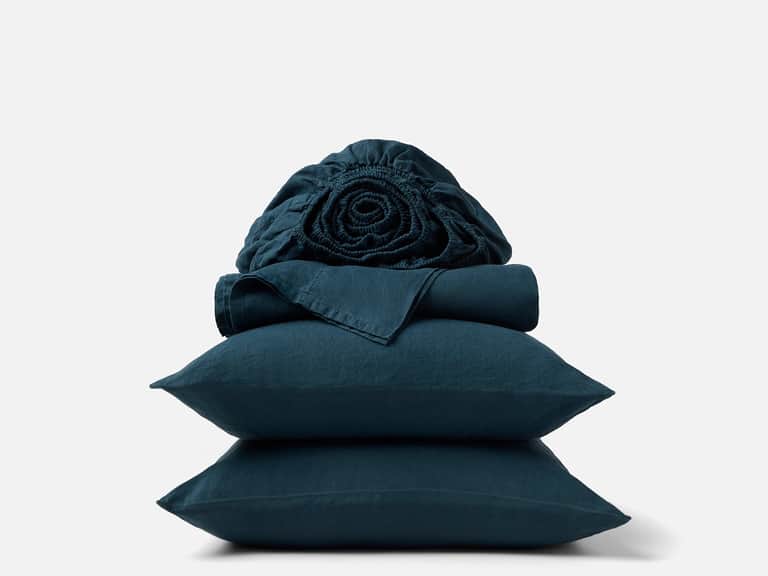
Organic Relaxed Linen Sheet Set (Coyuchi)
GOTS-certified 100% organic French flax linen, woven in Portugal, with pick-stitch cuffs and a 15-inch deep-pocket fitted sheet for durable, breathable luxury.
Care guidance aligns with sustainability goals: cold wash on a gentle cycle with like colors, tumble dry on low, and remove promptly to preserve texture and fit. This set embodies the principle that high-quality textiles can be cared for with minimal environmental impact while delivering comfort across seasons. It also demonstrates how a product can serve as a practical touchstone for broader stewardship principles—an item you can rely on while advocating for responsible choices across the home.
Price: $598.00
Putting It All Together: A Home Guide to Linen Sustainability
Linen sustainability hinges on three linked practices: sourcing, care, and longevity. Sourcing involves choosing textiles produced under strict environmental and social standards, such as GOTS-certified linen. Care encompasses washing, drying, and stain management that minimizes resource use. Longevity is achieved through proper storage, gentle handling, and timely repairs that extend the textile’s life, reducing the need for replacement textiles and, in turn, waste.
Practical checklist for readers
- Prefer linen textiles with GOTS or OEKO-TEX certifications for responsible production and safer chemical use.
- Adopt a monthly laundry plan that prioritizes full loads, lower temperatures, and shorter cycles where feasible.
- Use plant-based detergents in measured amounts, favoring rinse cycles that minimize water usage.
- Air-dry linen items as often as possible to save energy and reduce fiber stress.
- Store linen textiles in a dry, breathable environment, away from direct sunlight.
Final Reflections: The Green Linen Ethic
The Green Linen Service ethos—educational, practical, and evidence-based—asks readers to see linen not as a disposable commodity but as a textile with a story and a responsibility. In a world of climate pressures and resource constraints, the careful care of linen becomes a small but meaningful act of stewardship. By embracing sustainable laundering, households and small businesses can contribute to broader environmental outcomes—one wash, one line-dry session, one responsibly sourced napkin at a time.
As sustainability continues to intersect with daily routines, the work of readers and writers alike lies in translating policy and certification language into actionable, accessible guidance. The aim is a future where fabric life cycles are extended, resources conserved, and every household affirmatively participates in a green textile economy.